
Built for. Now.
STRATUM is a high-performance two-door electric GT coupe concept. Maximum clarity, minimum noise, in the car, in the cockpit, and in the app.

Every performance EV was designed for someone else.
The reference points for electric performance were built for a buyer shaped by decades of European automotive culture. A driver who already knows what Nürburgring means. Someone upgrading from an ICE M3 or a 911, carrying thirty years of brand loyalty and a specific idea of what a fast car should feel like. The Porsche Taycan Turbo GT, the Audi RS e-tron GT, the Lotus Emeya, extraordinary machines, all of them. All of them designed for that person.
The 28-year-old in Bangalore, Shanghai, Bangkok, or Mumbai who has never owned a petrol car is a different person entirely. They grew up with a smartphone as their first performance device. They already live at the standard the best technology can deliver, in their laptop, their phone, their headphones, every tool they reach for. They are not nostalgic for combustion. They have no reverence for a heritage they didn’t inherit. They want a car that matches the standard they hold everything else to, designed from the ground up for how they actually think about performance, ownership, and what a machine should feel like in 2025.
No one has built that car yet. That is the brief.

GT proportions. Electric logic. Zero visual noise.
STRATUM is built around a single design conviction: a performance EV should look like it was designed for the driver first and the road second. Long bonnet, short rear deck, a fastback roofline that drops hard into the tail. Carbon fibre front splitter, side skirts, and a rear diffuser with four aerodynamic vents, functional bodywork that earns its visual aggression rather than decorating for it. The full-width red taillight strip is the single expressive gesture at the rear, a clean horizontal line against an otherwise sculpted, purposeful tail.
The surface language is taut throughout. No unnecessary creasing, no decorative complexity. The drama comes from proportion and stance: wide track, large-diameter multi-spoke alloys, near-zero front overhang. The silhouette references the great GT coupes of the past, the 928, the FD RX-7, without quoting them directly. It is a coupe that could only exist as an EV: no engine tunnel dictating interior volume, no exhaust exits to package around, no transmission tunnel running down the centre of the cabin.


The cockpit is designed for one mental state: control. The instrument cluster is a single floating landscape display, curved at the periphery to keep information in the driver’s sightline without demanding eye movement. Physical controls are reduced to three categories: driving mode, media, and climate. Everything else is voice or touch, resolved in the display rather than scattered across a centre console full of buttons that exist because a committee couldn’t agree to remove them. The steering wheel’s lower section is squared, clearing sightlines to the display and keeping haptic feedback surfaces within thumb reach without removing hands from the wheel.
The instrument cluster carries two primary states: driving and parked. In motion, it shows speed, range, and the navigation overlay. At rest, it transitions to the companion app’s interface, the same visual language, the same typographic hierarchy, the same design system, rendered on the car’s own screen.
The companion app is the car’s readout, not its showroom. Where some EV apps lead with atmosphere, dark glass, ambient renders, cinema-grade transitions, STRATUM’s app leads with data. The home screen wraps the car’s three-quarter render around the status information that actually matters: range, battery state, location, door lock. The car is the centrepiece of the interface, not a thumbnail in a corner. The charging screen is all numbers: battery percentage, projected range, minutes to full, session cost. No gradient backgrounds, no animations that stretch a two-second wait into five. The navigation screen gives you a live 3D city map with a glowing route line, arrival battery percentage, and estimated time remaining.
The app does not ask for your attention. It earns a glance and steps back. Which is exactly how a performance car should work: invisible until you need it, precise when you do.
“Every performance EV reference point was built for someone who grew up wanting one. STRATUM was designed for everyone who didn’t need that history to know exactly what they want.”


Electrip
Plan, charge, explore in one app. Electrip is a full-stack EV trip planning app built for Indian roads, combining intelligent range-aware routing, complete travel itineraries, and AI-powered trip refinement in one cohesive product.
View case →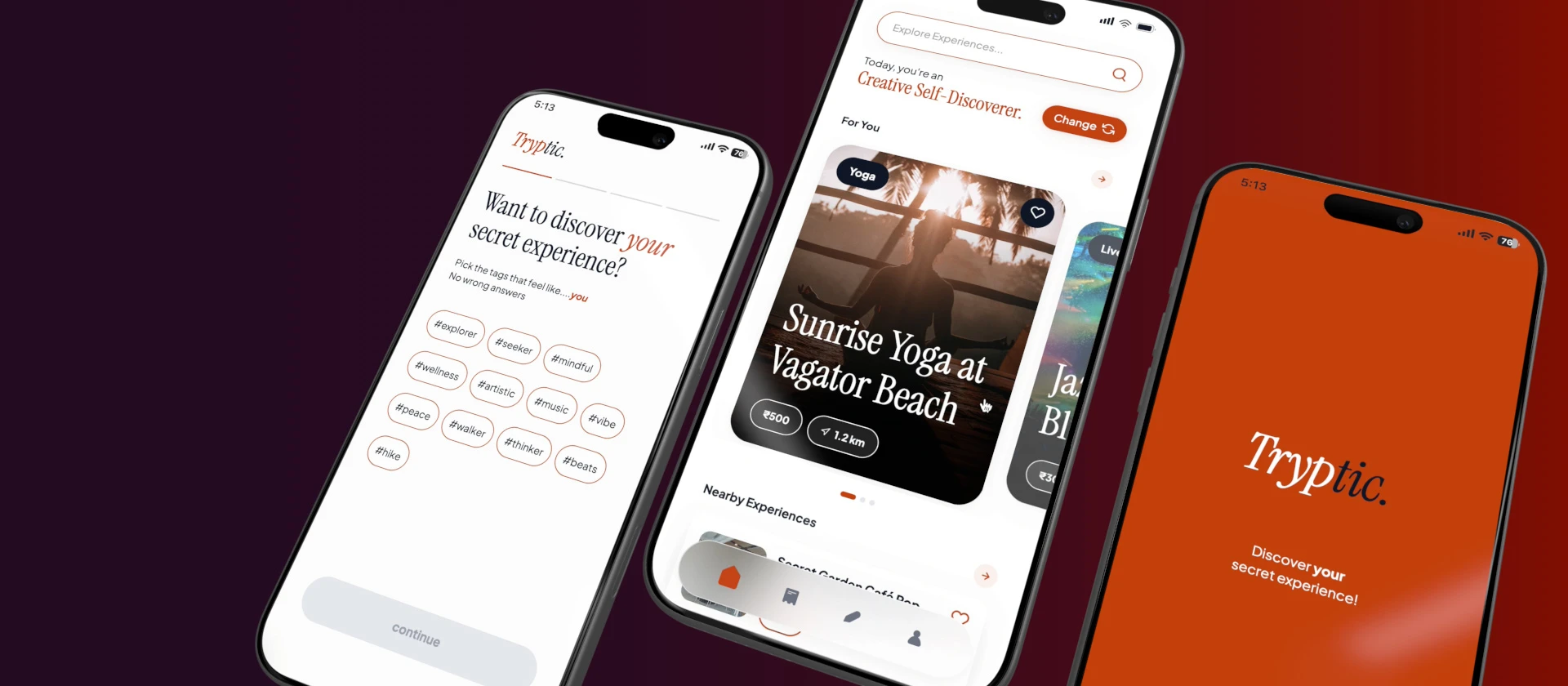
Tryptic
Tryptic isn’t another events app. It’s a discovery experience that starts by understanding you, a persona-based app that reads your instincts, your energy, your type, before showing you a single thing.
View case →
Bolt.Earth
User apps, companion apps, vehicle clusters and operator consoles for India’s largest EV charging network — one system spanning discovery, payments, and fleet operations.
View case →
ARCON
ARCON is a compact two-door electric coupe concept for the urban young earner, designed from the inside out, and the app inward. One design language, repeated at every scale from a 19-inch wheel to a 6-inch phone display.
View case →
Sahayak
Sahayak is an organised digital system built to streamline the dispensation of critical information within India’s disability sector, and a dedicated job portal for people with disabilities, designed around the people who make it work: the helpline volunteer.
View case →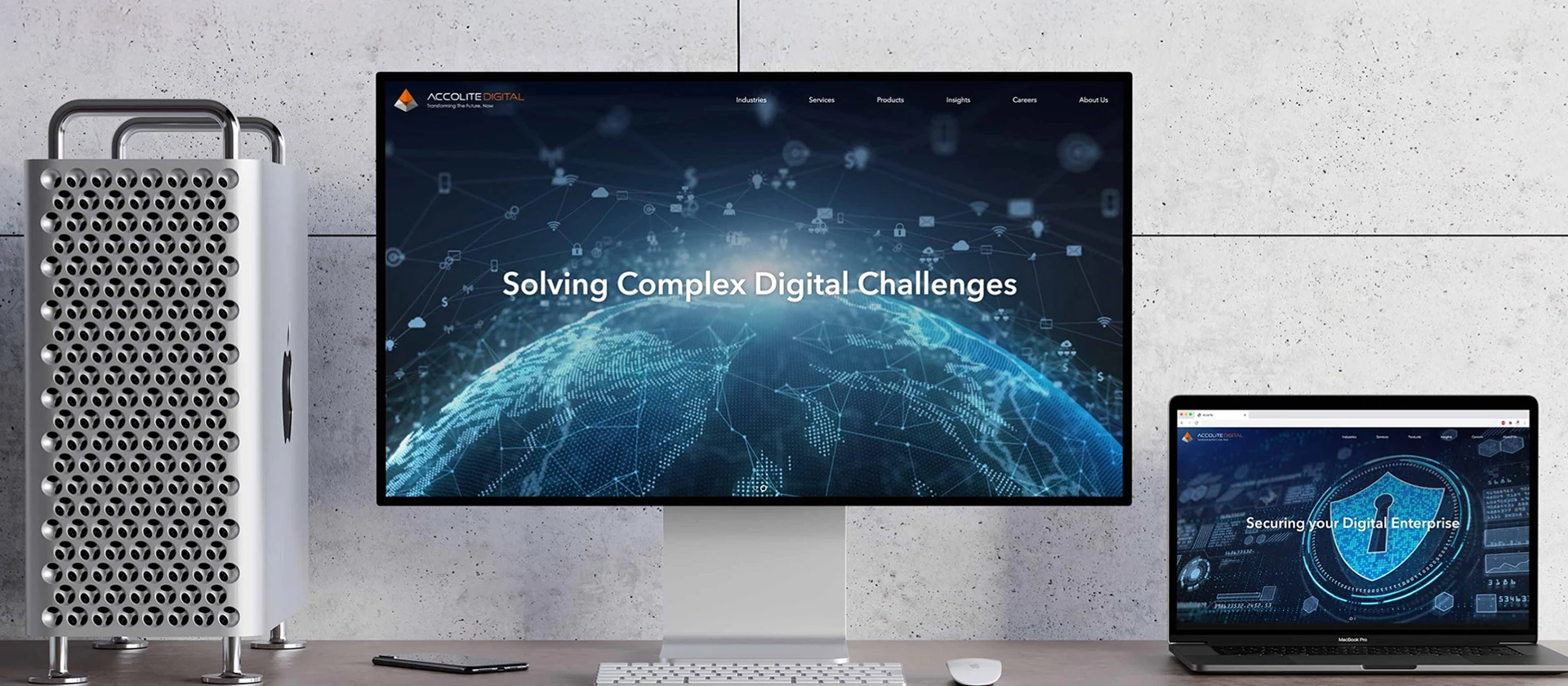
Bounteous (Accolite)
A complete brand overhaul for Bounteous (Accolite), now part of Bounteous, one of the world’s leading digital experience consultancies. From brand strategy and identity to website, collateral, and pitch decks that supported a landmark acquisition.
View case →

Aston Martin
A transportation design research project exploring the dualistic nature of industrial rigidity and fluid softness, inspired by the material language of the Indian sari, applied to a vehicle concept within Aston Martin’s design universe.
View case →