
Trips designed for Electric India
Plan, charge, explore in one app. Electrip is a full-stack EV trip planning app built for Indian roads, combining intelligent range-aware routing, complete travel itineraries, and AI-powered trip refinement in one cohesive product.
India’s EV infrastructure exists. Planning around it doesn’t.
India’s EV adoption is accelerating faster than the tools built to support it. Existing navigation apps don’t understand range anxiety. They don’t account for charge stop logistics, altitude-induced range loss, or the patchwork of charging networks spread across the country, Statiq, Tata EZ Charge, ChargeZone, each with different coverage, connector types, and reliability.
Planning a route like Delhi to Leh in an EV means juggling spreadsheets, range calculators, and hotel booking tabs simultaneously. There is no single source of truth. There is no tool that understands that you will climb from 200 metres to 5,300 metres, that your battery range will shrink as you climb, that the charger 40 kilometres off-route is not worth the detour, and that the hotel in Keylong that says it has EV charging means someone ran an extension cord to the parking lot.
The gap was not a feature missing from an existing product. It was an entire product category that didn’t exist.

Route engine, itinerary builder, AI assistant. One product.
Electrip was designed and built with full ownership across product, design, and engineering. The stack is Next.js 14, TypeScript, Neon PostgreSQL, Mapbox GL JS, and the Claude API. Every screen, every interaction, every data model built from the ground up.
The route engine computes charge stops based on real battery state of charge, not just distance. Altitude-aware range degradation is modelled throughout, accounting for the energy cost of climbing. The Mapbox polyline is colour-coded by SoC in real time so drivers can see exactly where they are vulnerable before they leave. Charger snapping uses perpendicular segment projection against a corridor bounding box, with a minimum progress guard to prevent false positives at the departure point.
Beyond routing, Electrip builds a complete itinerary: hotels filtered for EV charging availability with tier options, day-by-day attractions pulled from the Google Places API, and a live budget breakdown that recalculates whenever you swap a hotel or adjust the trip. Electricity costs, hotel spend, meals, and activities, tracked together in one card.
The AI refinement layer is where the product becomes genuinely different. An embedded conversational interface powered by Claude lets drivers refine their itinerary through natural language. “Skip Manali, add a day in Keylong” and the trip updates. The AI communicates back via a structured trip update protocol that applies changes atomically to the application state, keeping the interface always in sync.
The Delhi to Leh route is the stress test everything was built around. Extreme altitude gain, long stretches between chargers, unpredictable road conditions, and a hospitality infrastructure that was never designed with EVs in mind. Building a system that handles this correctly, with sensible charge stop placement, realistic range estimates, and a graceful itinerary, required solving problems that don’t exist anywhere in the existing tooling ecosystem.
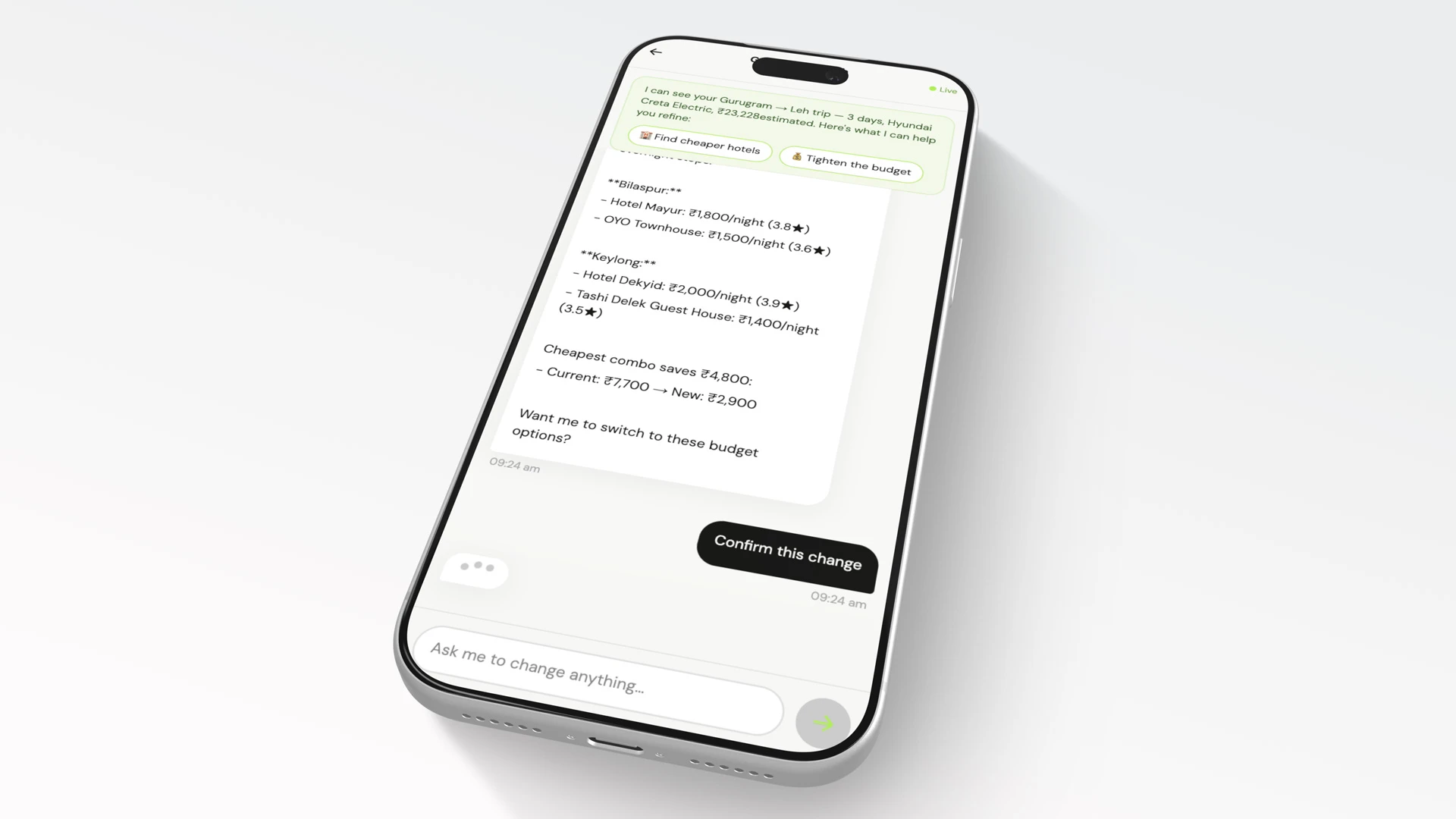
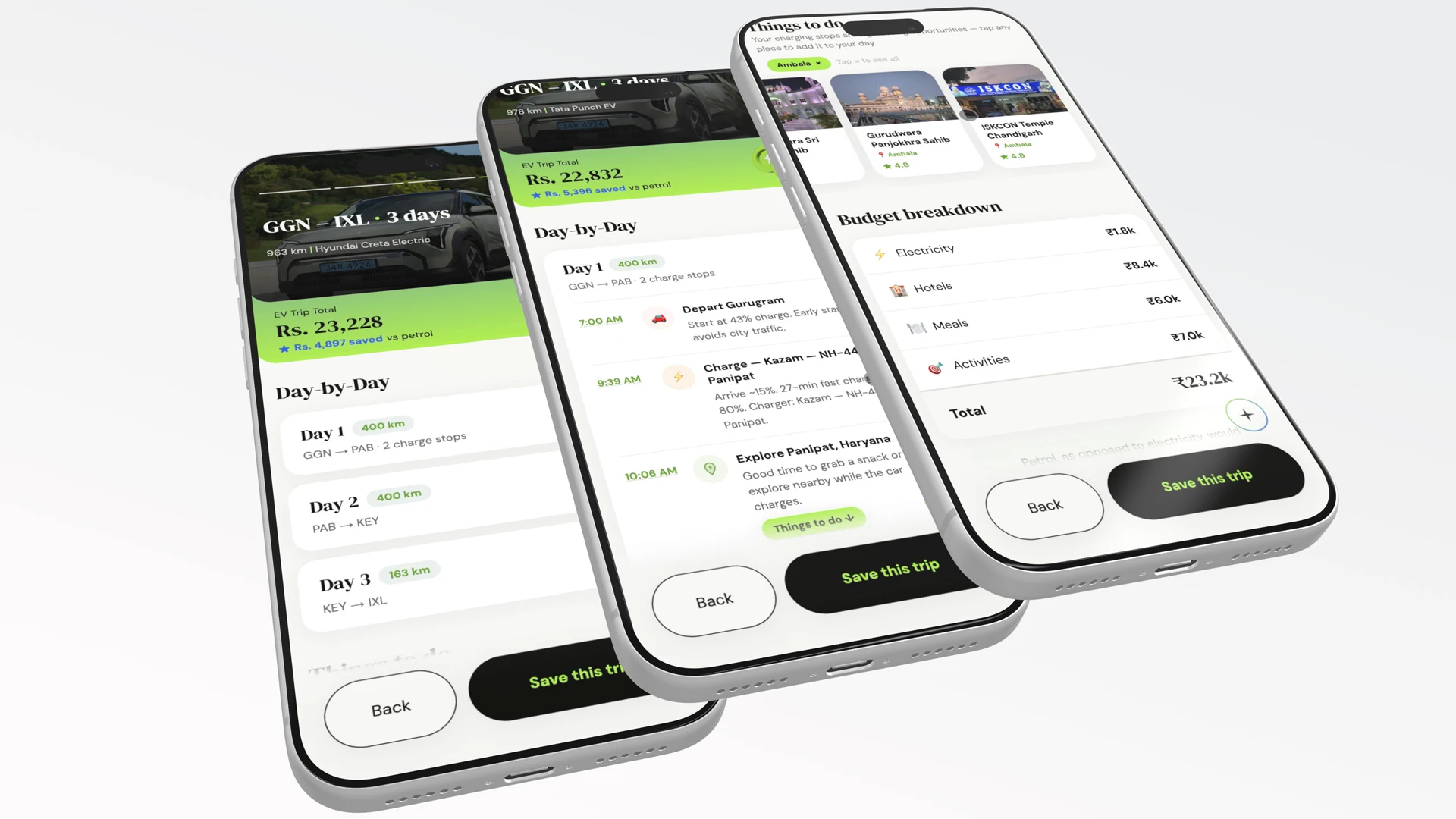
“Every routing app knows the distance. Electrip knows the altitude, the battery state, the charger on the left side of the road, what to do while you’re charging, and what the hotel on the other end actually means by EV charging.”

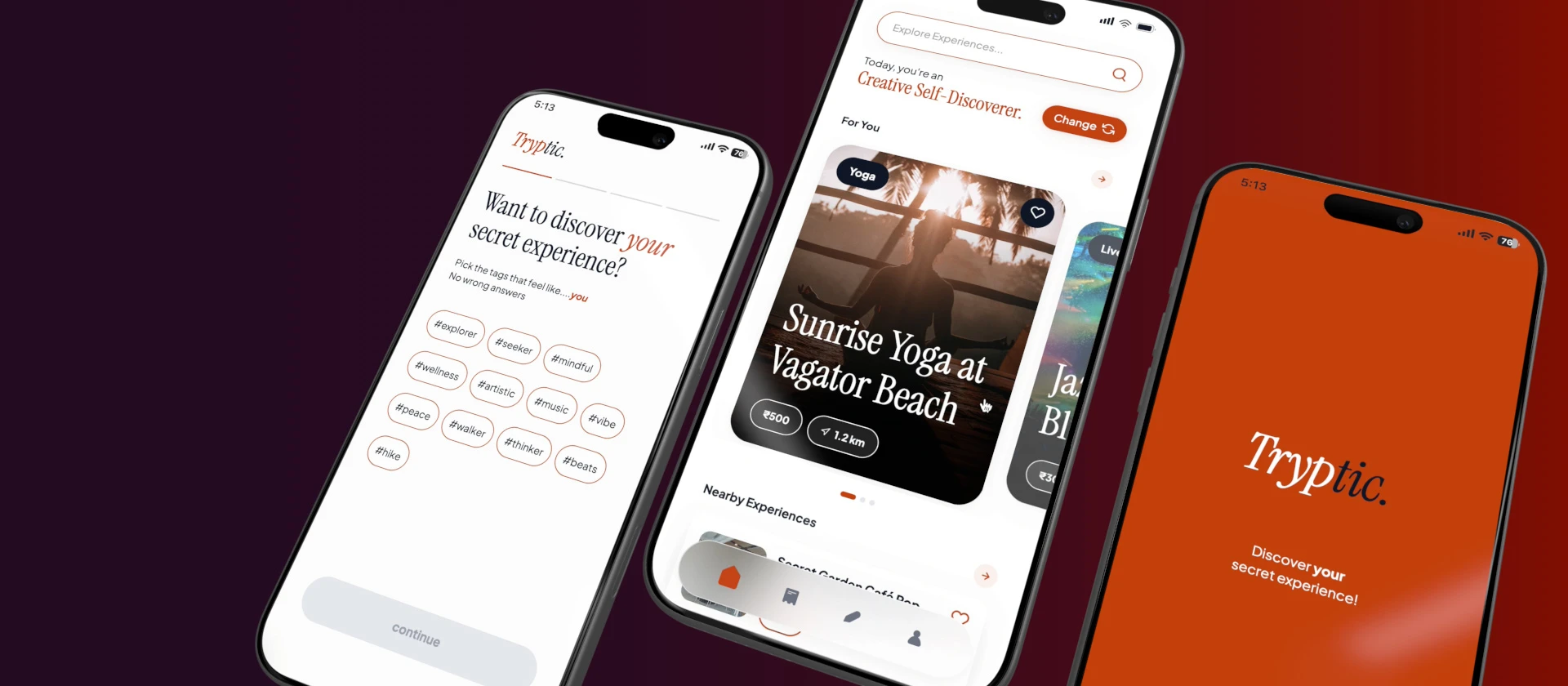
Tryptic
Tryptic isn’t another events app. It’s a discovery experience that starts by understanding you, a persona-based app that reads your instincts, your energy, your type, before showing you a single thing.
View case →
Bolt.Earth
User apps, companion apps, vehicle clusters and operator consoles for India’s largest EV charging network — one system spanning discovery, payments, and fleet operations.
View case →
STRATUM
STRATUM is a high-performance two-door electric GT coupe concept. Maximum clarity, minimum noise, in the car, in the cockpit, and in the app.
View case →
ARCON
ARCON is a compact two-door electric coupe concept for the urban young earner, designed from the inside out, and the app inward. One design language, repeated at every scale from a 19-inch wheel to a 6-inch phone display.
View case →
Sahayak
Sahayak is an organised digital system built to streamline the dispensation of critical information within India’s disability sector, and a dedicated job portal for people with disabilities, designed around the people who make it work: the helpline volunteer.
View case →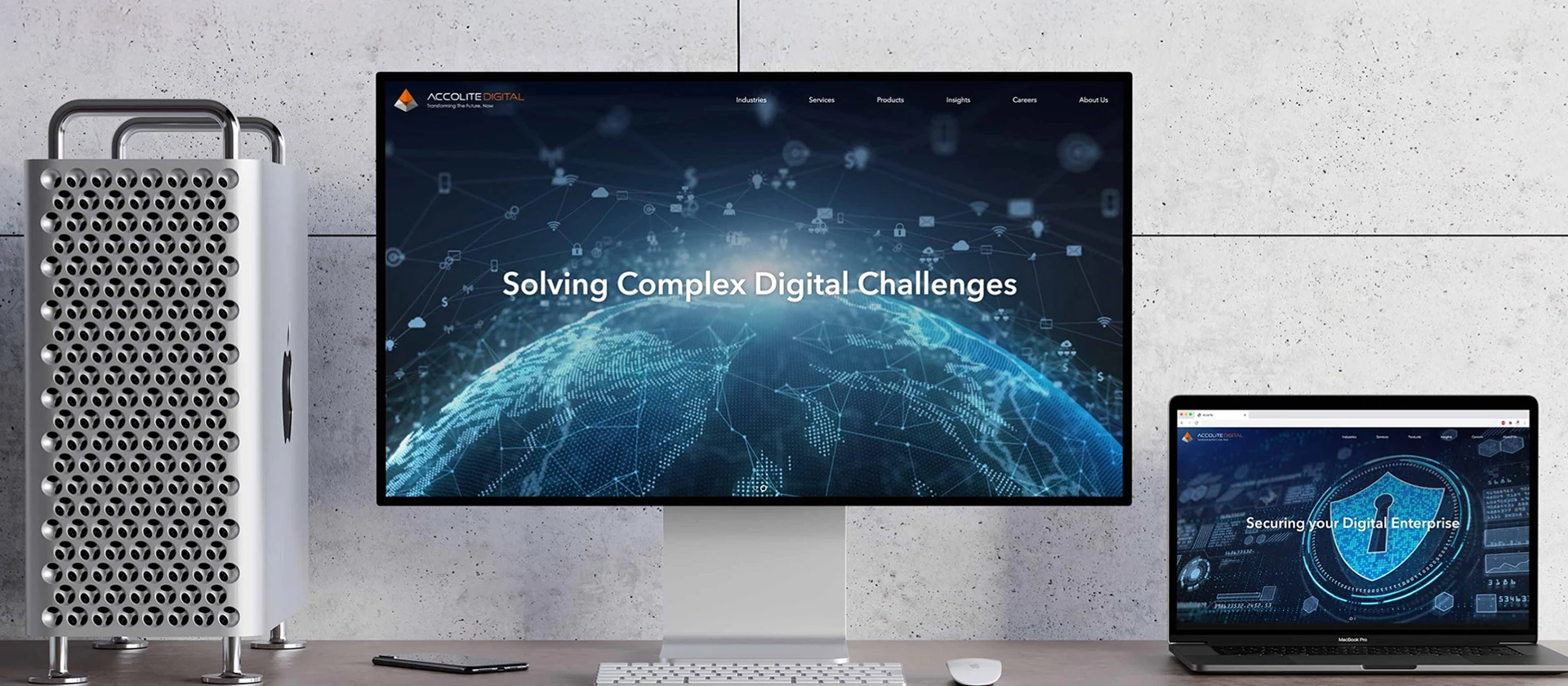
Bounteous (Accolite)
A complete brand overhaul for Bounteous (Accolite), now part of Bounteous, one of the world’s leading digital experience consultancies. From brand strategy and identity to website, collateral, and pitch decks that supported a landmark acquisition.
View case →

Aston Martin
A transportation design research project exploring the dualistic nature of industrial rigidity and fluid softness, inspired by the material language of the Indian sari, applied to a vehicle concept within Aston Martin’s design universe.
View case →